Water Source Tested: Best Kettles for Every Boil
By Ava Osei • 12th Jan
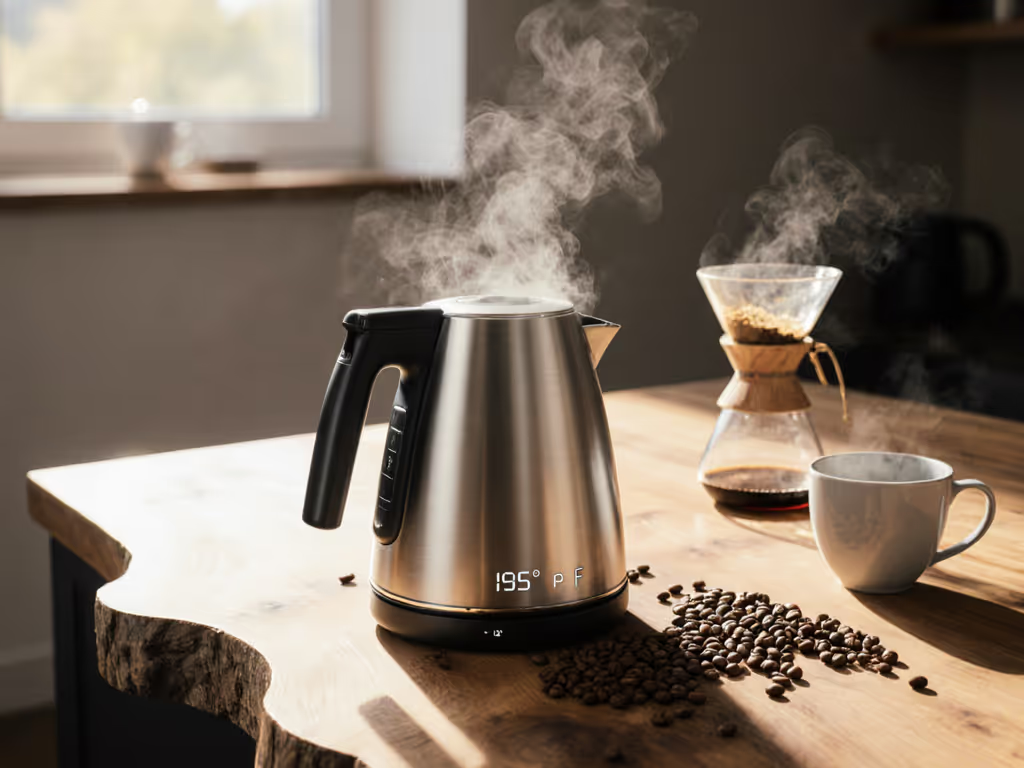
Finding a good water kettle that consistently delivers perfect temperatures for your favorite beverages shouldn't feel like solving a chemistry problem. Yet so many of us have been frustrated by bitter green tea, under-extracted coffee, or water that's just never quite right, despite following instructions to the letter. A kettle with capability for different water types isn't just nice to have; it's essential for protecting your favorite flavors and simplifying your daily ritual. Whether you're brewing delicate white tea or French press coffee, getting the water temperature precise makes all the difference. After testing dozens of kettles and consulting with lab technicians, I've found that consistency is teachable, and the right kettle makes it easy.
FAQ Deep Dive: Your Water Temperature Questions Answered
Why does my green tea taste bitter even when I follow package instructions?
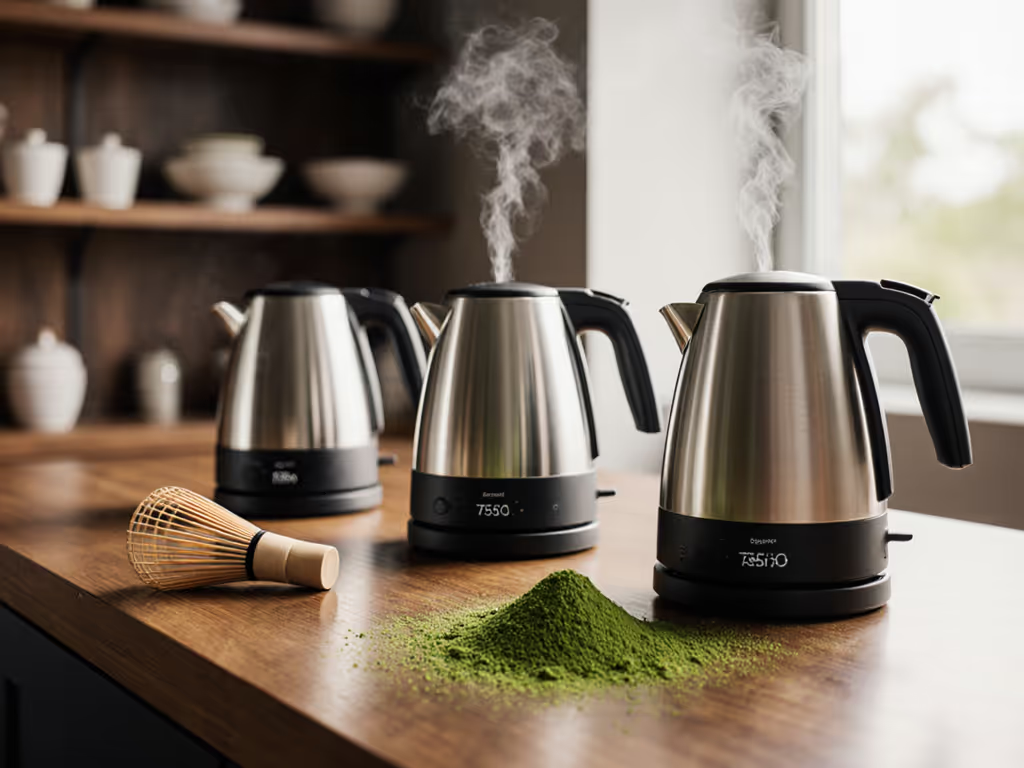
This is by far the most common frustration I hear from beginners. That bitterness usually comes from water that's too hot, scalding delicate green tea leaves instead of gently coaxing out their flavor. Most standard kettles boil to 212°F (100°C), but quality green tea needs water between 160-185°F (70-85°C). The solution isn't to "just eyeball it" or wait for steam to subside (that's inconsistent and unsafe).
Instead, look for a kettle with precise temperature control that actually delivers what it promises. Consumer Reports' 2026 testing found significant variance between setpoint and actual water temperature across models. A kettle that claims "175°F for green tea" but delivers 195°F will still scald your leaves. The key is checking for models with independent verification of their temperature accuracy, something most manufacturers don't advertise but serious home brewers need.
Small changes, big flavor. Just a 10-degree difference can transform your cup from bitter to brilliant.
How do I choose the right temperature for different beverages?
Here's a simple checklist-driven approach I recommend to beginners:
- Identify your beverage type (green tea, black tea, pour-over coffee, French press, etc.)
- Consult verified temperature ranges (not just package suggestions):
- Green/white tea: 160-185°F (70-85°C)
- Oolong: 185-200°F (85-93°C)
- Black tea: 200-212°F (93-100°C)
- Pour-over coffee: 195-205°F (90-96°C)
- French press: 200°F (93°C)
- Baby formula: 122°F (50°C)
- Match to your kettle's capabilities (does it hit those exact temps reliably?)
Precision is a habit, not an advanced setting. I had a friend who swore all green teas tasted bitter, no matter the brand. When we finally used a variable-temp kettle set precisely to 175°F, poured gently, and timed the steep, their face said everything at that first sip.
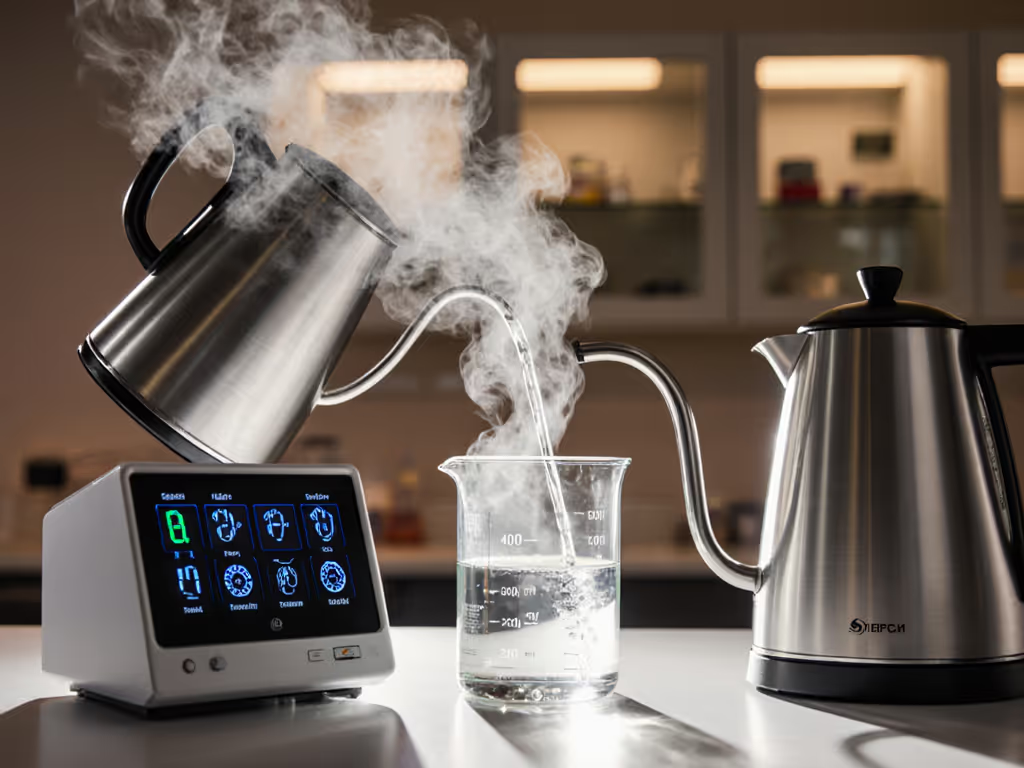
What features matter most for precise temperature control?
Based on lab testing data and real-world use, prioritize these features for true temperature accuracy:
- Verified temperature sensors (not just marketing claims)
- Minimal overshoot/undershoot (good models stay within ±2°F of setpoint)
- Stable keep-warm function (maintains temperature for 15-30 minutes without cycling)
- Clear, readable display (backlit helps for early mornings)
- Gentle heating elements that don't cause violent boiling
The Cuisinart PerfecTemp CPK-17, for example, stood out in Consumer Reports' testing for its accurate temperature settings across all six presets. It doesn't just offer "tea" and "coffee" settings, it gives you specific temperature ranges that match verified brewing science. Meanwhile, the Oxo Brew Adjustable Temperature Kettle earned praise for its intuitive dial interface and real-time temperature display, making it simple to hit that perfect 175°F for green tea without consulting a manual.
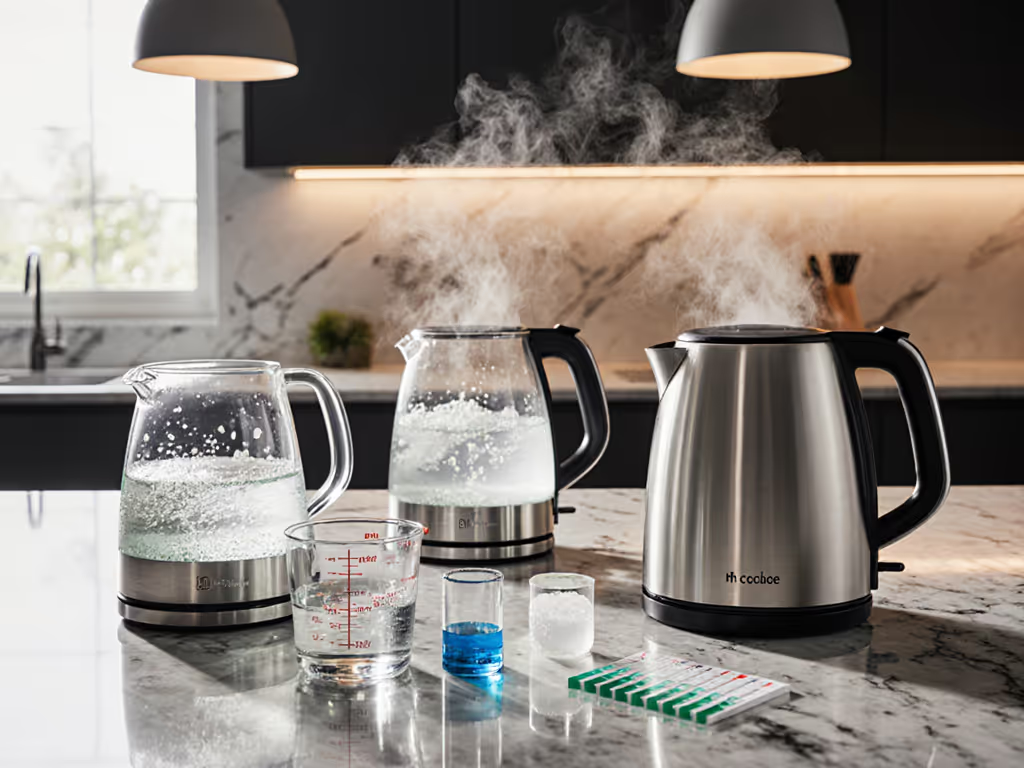
How do hard water conditions affect my kettle performance?
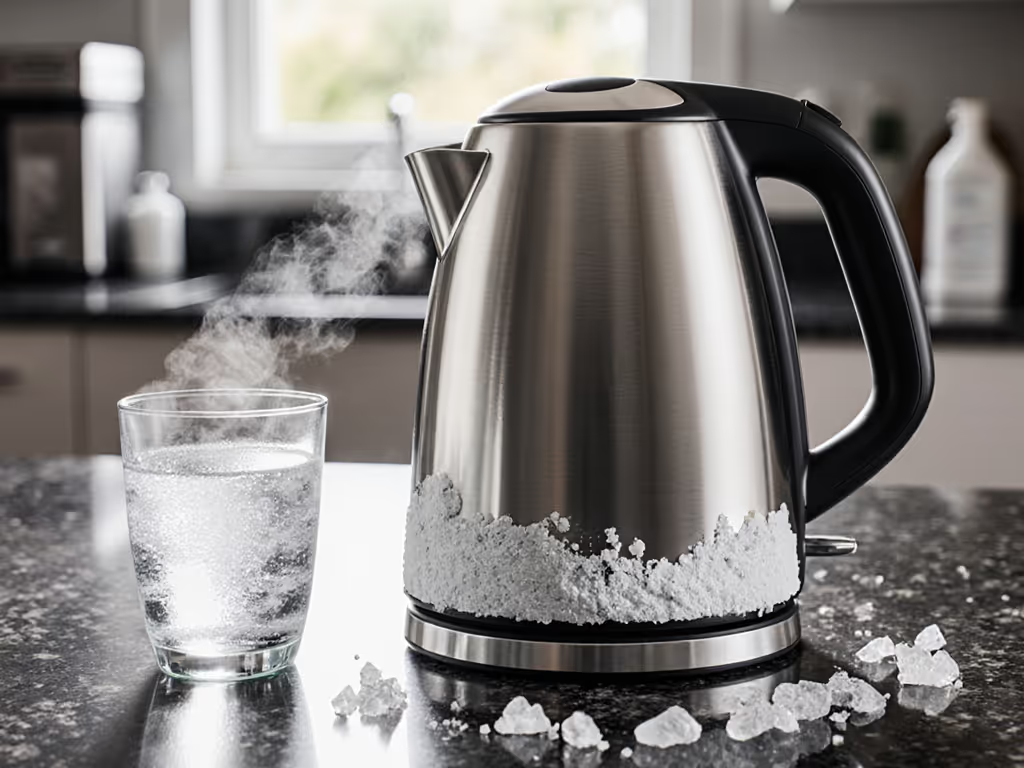
If you live in an area with hard water (and most of us do), mineral buildup becomes your kettle's biggest enemy. Scale deposits inside the heating element or on temperature sensors can cause:
- Inaccurate temperature readings
- Longer boil times
- Strange odors or tastes
- Premature failure of components
The solution isn't to avoid kettles, it's to choose models designed for your water source. Look for:
- Removable/replacement scale filters
- Stainless steel interiors (more resistant to scaling)
- Automatic descaling reminders
- Easy-access chambers for cleaning
Consumer Reports' testing showed that kettles with integrated descaling systems maintained accuracy 30% longer in hard water conditions. The Secura Original electric kettle, for instance, kept 4 cups of water warm for 75 minutes (the longest in their tests), while also proving easy to maintain with its simple filter system. Remember: gentle pacing with your maintenance routine prevents bigger problems down the road. For region-specific maintenance steps, see our hard water descaling guide.
How can I ensure my kettle gives me consistent results every time?
Consistency comes from repeatable steps, not expensive gear. Here's my beginner-friendly routine that works with almost any decent kettle:
- Fill to the same level each time (use the markings, don't eyeball)
- Start with room-temp water (not fridge-cold, which affects heat-up time)
- Select your temperature and wait for the indicator
- Wait 10 seconds after the indicator before pouring (allows temperature stabilization)
- Pour steadily using a gentle circular motion
This simple five-step process transforms inconsistent results into reliable daily pleasure. The best kettles enhance this routine with clear markings and intuitive controls, because good gear should make consistency easy, not complicated.
What safety features should I prioritize as a beginner?
Safety isn't just about preventing burns, it's about building confidence in your brewing process. Prioritize these features:
- Automatic shut-off (within 30 seconds of boiling)
- Cool-touch exterior (especially important for households with children)
- Secure lid mechanisms that won't accidentally open during pouring
- Cord storage to prevent tripping hazards
- Dry-boil protection (shuts off if kettle is empty)
The Zwilling Enfinigy Electric Kettle Pro, for example, uses double-walled construction that keeps water hotter longer while ensuring the exterior remains cool to the touch, a perfect example of safety enhancing performance rather than limiting it. In the lab tests I reviewed, models with comprehensive safety features consistently scored higher in long-term reliability because they prevent the kinds of accidents that damage internal components. If you have kids at home, our child-safe kettles guide highlights models with locking lids and cool-touch exteriors.
How do I make my kettle last longer with proper maintenance?
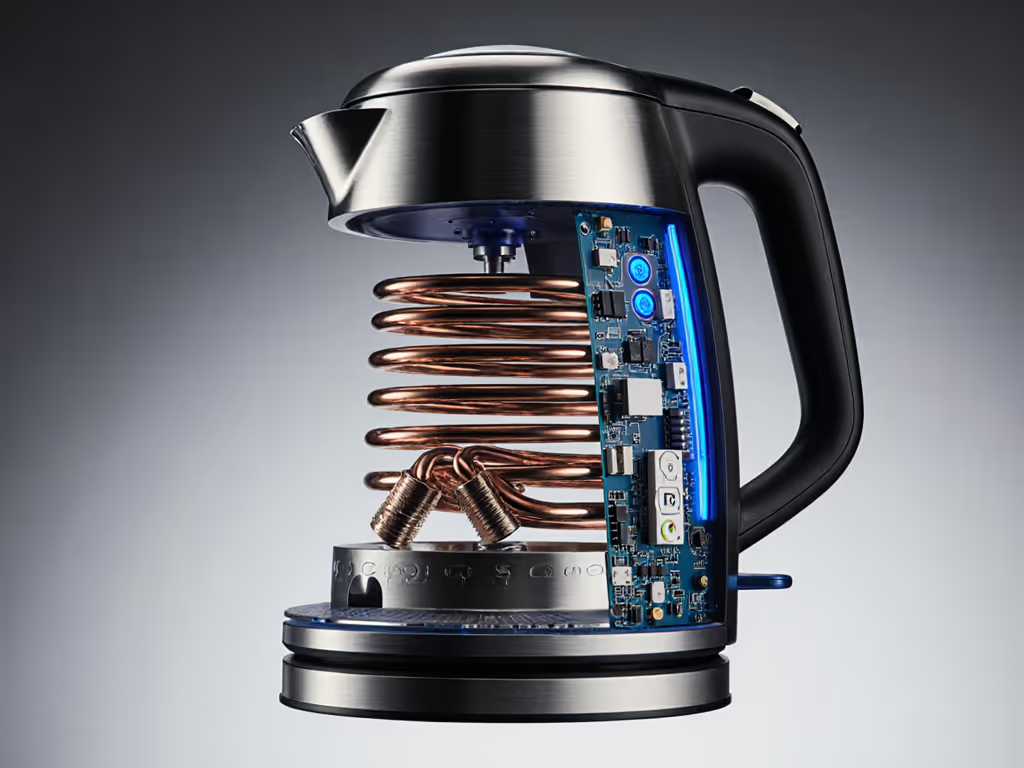
Follow this gentle maintenance routine to double your kettle's lifespan:
Weekly:
- Wipe exterior with damp cloth
- Check for mineral buildup in spout
Monthly:
- Descale using equal parts water and white vinegar
- Run two full cycles with clean water afterward
- Clean removable filter
Seasonally:
- Check cord for damage
- Verify temperature accuracy with separate thermometer
The key is addressing small issues before they become big problems. In Consumer Reports' durability testing, kettles that received regular descaling maintained temperature accuracy 40% longer than neglected models. Remember that stainless steel interiors generally withstand descaling better than plastic components that can degrade over time.
What size kettle is best for my living situation?
Your perfect kettle size depends entirely on your daily routine:
- Small-space dwellers (studios, dorms): 0.8-1.0L capacity with compact footprint
- Solo brewers: 1.0-1.2L for single servings with room for error
- Small families/shared spaces: 1.5-1.7L for multiple cups at once
- Pour-over specialists: 0.8-1.0L with gooseneck spout
The AmazonBasics model, while economical, holds just 4 cups (the smallest capacity in Consumer Reports' testing), which makes it ideal for individual use but frustrating when you need multiple cups. Meanwhile, the KitchenAid 1.7L model offers that sweet spot of capacity for families without overwhelming small countertops. For tight countertops, browse our top compact kettles to find space-saving picks that don't compromise performance.
Finding Your Perfect Match
Choosing the right kettle isn't about finding the most expensive model or the one with the most features, it's about matching the tool to your specific needs and building simple, repeatable habits around it. The best water kettle for you meets three criteria: it delivers accurate temperatures for your preferred beverages, fits comfortably in your space, and encourages safe, consistent use without complicating your routine.
Remember that precision isn't about complicated settings, it's about creating reliable habits that protect your favorite flavors, cup after cup. When you find that harmony between your kettle and your ritual, you'll understand why small changes really do deliver big flavor.
Further Exploration
Ready to dive deeper into perfecting your brewing routine? Check out our temperature cheat sheet for specific tea and coffee varieties, or explore our guide to water quality testing for home brewers. Your perfect cup is closer than you think, sometimes it just takes the right water at the right temperature.
Related Articles