Electric Kettle Evolution: Precision Boiling Since 1891
By Ava Osei • 13th Jan
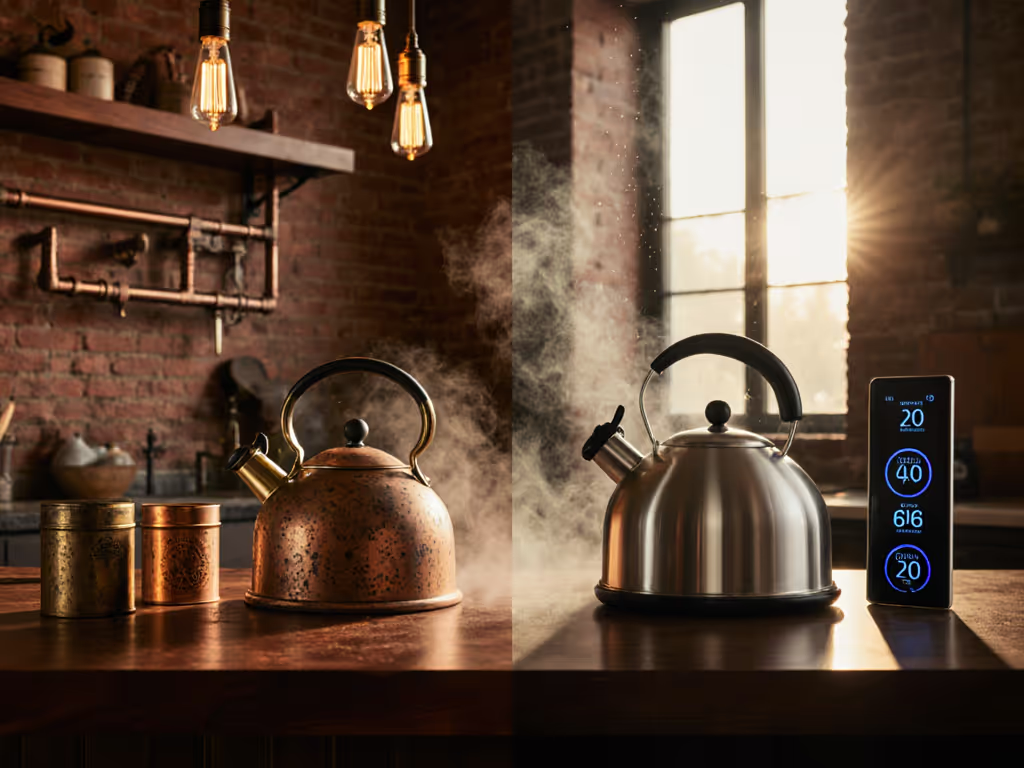
If you've ever burned a pot of tea or struggled with an inconsistent pour-over, you understand why both the kettle evolution timeline and modern electric travel kettle innovations matter. Precision isn't about fancy gadgets (it's about reliable habits that protect your ritual). When my friend nearly gave up on green tea because every cup tasted bitter, we didn't chase expensive gear. We simply set a variable-temp kettle to 80°C, poured gently, and timed the steep. That first perfect sip revealed the truth: Precision is a habit, not an advanced setting. Let's explore how kettle technology evolved to support your daily brews with confidence. For a deeper dive into the engineering behind precise boiling, see how electric kettles work.
Step 1: The Foundational Breakthroughs (1891-1920s)
In 1891, both Carpenter Electric Company of Chicago and British inventor R.E.B. Crompton independently developed the first practical electric kettles. Early designs had critical limitations: heating elements were placed in separate chambers, causing water to take nearly 12 minutes to boil. These weren't precision tools (they were novelties for the wealthy, costing "many times a labourer's weekly wage" as noted in historical records).
What matters for today's brewers is how these early models established foundational principles:
- Separation of heating element from water path (though inefficient at first)
- Basic electrical safety considerations
- The recognition that controlled heat matters for beverage quality
These weren't solutions to your morning rush yet. But they planted seeds for the consistency we now expect. Back then, "the kettle had already assumed its well-known shapes" by 1900, yet remained unreliable for everyday use. For modern tea drinkers dealing with hard water or temperature-sensitive leaves, this era reminds us that good design solves real problems, not just creates pretty objects. If limescale is a constant battle, follow our hard water descaling guide for region-specific protocols.
Step 2: Safety and Submersion Milestones (1920s-1950s)
The 1920s brought game-changing innovations that directly address two of your biggest pain points: safety hazards and inconsistent heating. In 1923, Birmingham inventor Arthur L. Large created the immersed heating resistor, moving the element directly into the water path. This reduced boil times dramatically while improving heat distribution.
The following year (1924), the British Electric Transformer Company patented the first safety cut-out device. This prevented damage when kettles ran dry, a critical fix that still protects your kitchen today. As industry reports confirm, these advancements weren't just convenient; they made precision brewing accessible to average households.
Consistent temperature starts with reliable safety mechanisms, because burnt elements and scalded tea leaves ruin more than just one cup.
For those of you living with roommates or young children, this era established the safety-first mindset modern kettles build upon. Households with kids can also consult our childproof kettle features guide to reduce scald risks. When you select a kettle today with reliable auto-shutoff, you're benefiting from nearly a century of refinement aimed at protecting both your beverage and your home.
Step 3: Automation and Temperature Control (1950s-2000s)
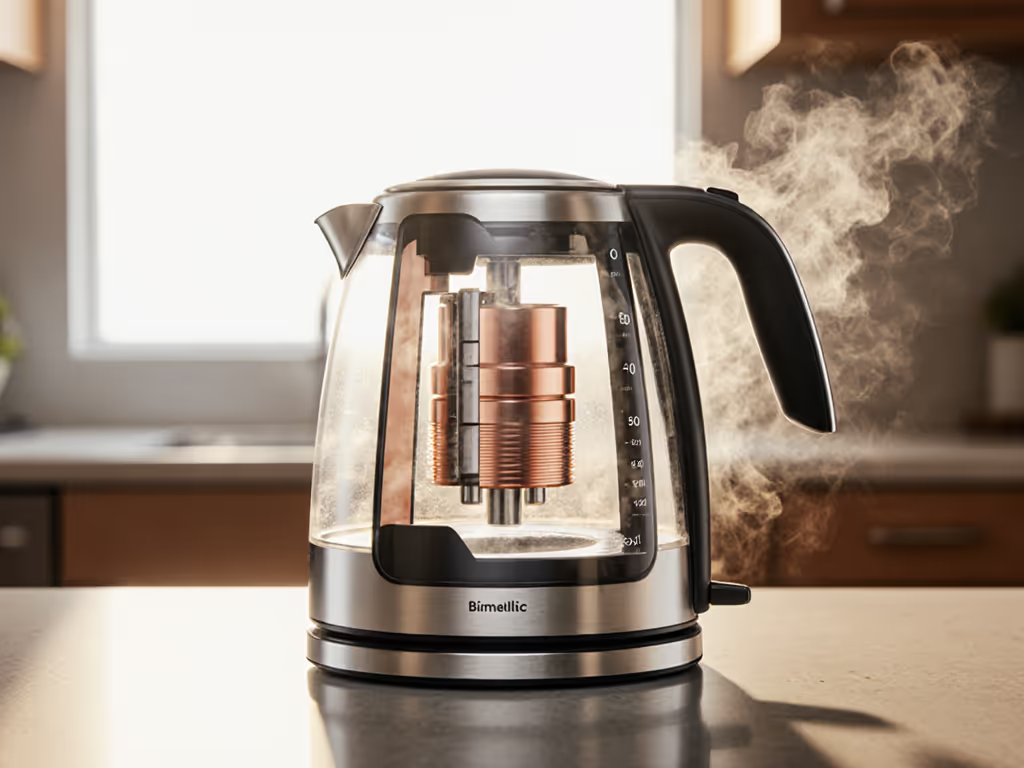
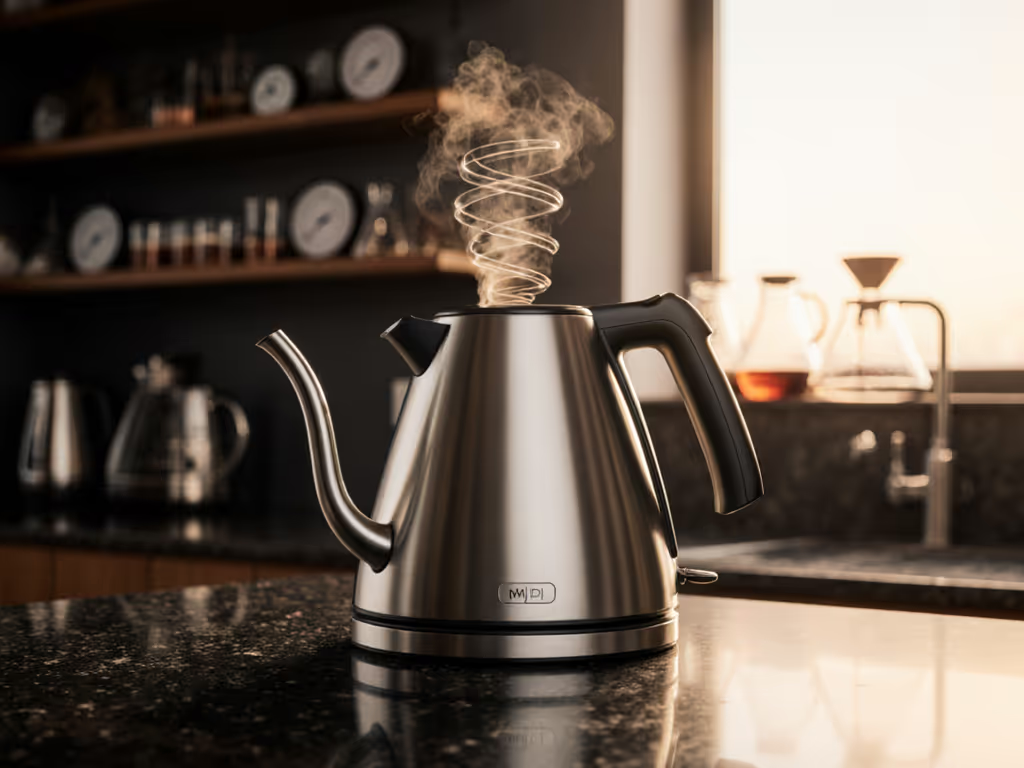
The 1956 Russell Hobbs K1 marked the first fully automatic kettle, using steam detection to cut power at boiling point. This chrome-plated copper model featured a curved spout and bimetallic strip technology that became industry standard. For decades afterward, "the design of the kettle has remained pretty universal," as noted in historical records, but subtle improvements addressed specific brewer needs.
Three critical developments emerged during this period that directly solve your temperature accuracy concerns:
- Sealed heating elements (Swan Company, 1992) that improved efficiency and reduced mineral buildup
- Graduated temperature markings on gooseneck models for pour-over precision
- Basic keep-warm functions that maintained heat without repeated boiling
These weren't revolutionary changes, but evolutionary ones, each addressing a specific brewer pain point. When you struggle with "overshoot/undershoot vs setpoint" in modern kettles, remember that today's variable-temperature models stand on decades of solving these exact challenges. The journey from simple boil-to-steam detection to precise thermal control mirrors your own path toward repeatable results.
Step 4: Modern Precision and Portability Solutions
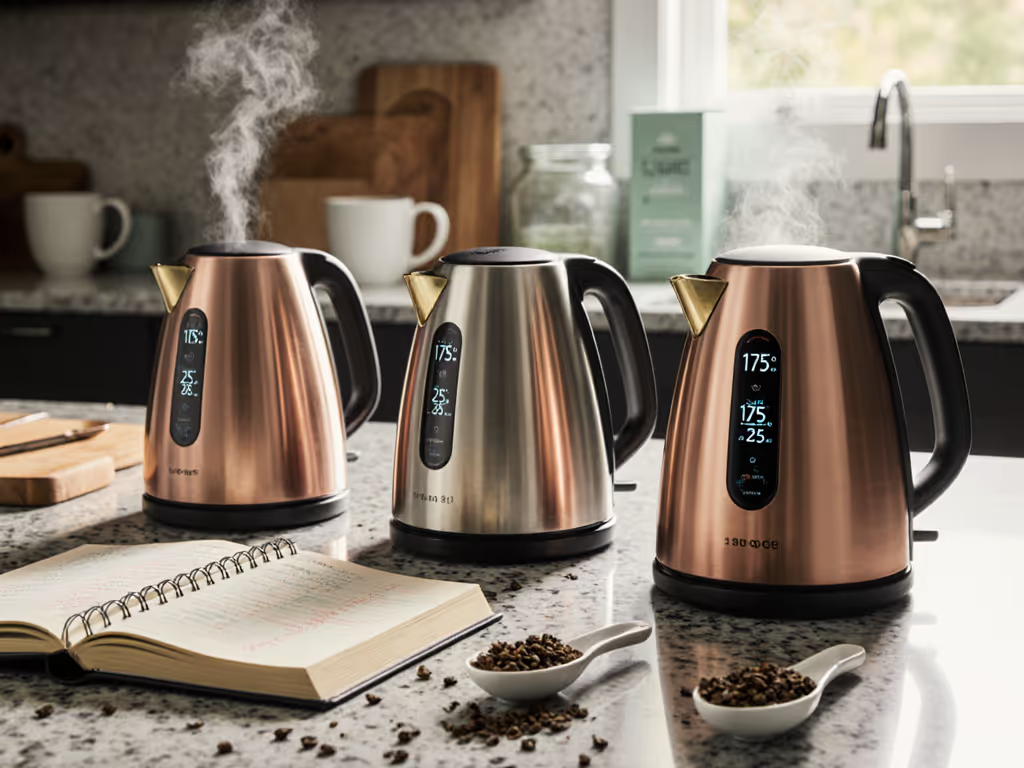
Today's kettle technology advancements directly target your specific brewing needs. Variable-temperature models now deliver water within ±1-2°C of your target, critical for green tea lovers who know 85°C versus 90°C means the difference between delicate flavor and bitter notes. Kettle design history shows us that each improvement responded to real user frustrations:
| Era | Key Innovation | Directly Solves These Pain Points |
|---|---|---|
| 1891 | Separate heating chamber | None (too early) |
| 1924 | Safety cut-out | Dry-boil damage, inconsistent heating |
| 1956 | Steam-activated auto shutoff | Overshoot, wasted energy |
| 1992 | Sealed heating tube | Mineral buildup, slow heat-up |
| 2010s | Variable temperature control | Inaccurate readings, scalded tea |
| Present | Travel-specific models | Bulky footprint, voltage issues |
Your need for a quiet electric travel kettle stems directly from this progression. Modern compact models solve the "voltage/plug confusion" that plagued early travelers while maintaining the temperature precision you rely on at home. For plug types, adapters, and dual-voltage tips by region, see our travel kettle voltage guide. Whether you're a remote worker in a small apartment or a tea enthusiast visiting family, these innovations make your ritual portable without compromising on safety or consistency.
When evaluating the best electric water kettle for your needs, focus on three repeatable elements I've seen transform brewing habits:
- Thermal accuracy verification: Look for independent lab tests showing actual vs. set temperature
- Flow control features: Smooth pour rates (4-8 g/s) prevent channeling in pour-over methods
- Material integrity: Stainless steel or borosilicate paths maintain flavor neutrality
Building Your Precision Habit
The kettle evolution timeline isn't just a historical curiosity (it's a roadmap for your brewing success). Every innovation responded to real user frustrations: safety concerns, inconsistent temperatures, and unreliable equipment. Modern kettles deliver what early designers only dreamed of: temperature precision that matches your specific beverage needs.
For green tea lovers still battling bitterness, remember my friend's revelation (it wasn't the tea brand, but the consistent 80°C water that transformed their experience). That same principle applies whether you're making pour-over coffee, matcha, or baby formula. Good gear makes consistency achievable, not complicated.
We'll do this together, one brew at a time, turning historical ingenuity into your daily ritual. Ready to explore which modern kettle best supports your specific brewing needs? Check reputable testing labs' latest comparisons. They translate technical specs into the clear, situation-specific recommendations you deserve.
Related Articles