Why Electric Kettles Differ Globally: Regional Design Guide
By Ava Osei • 19th Jan
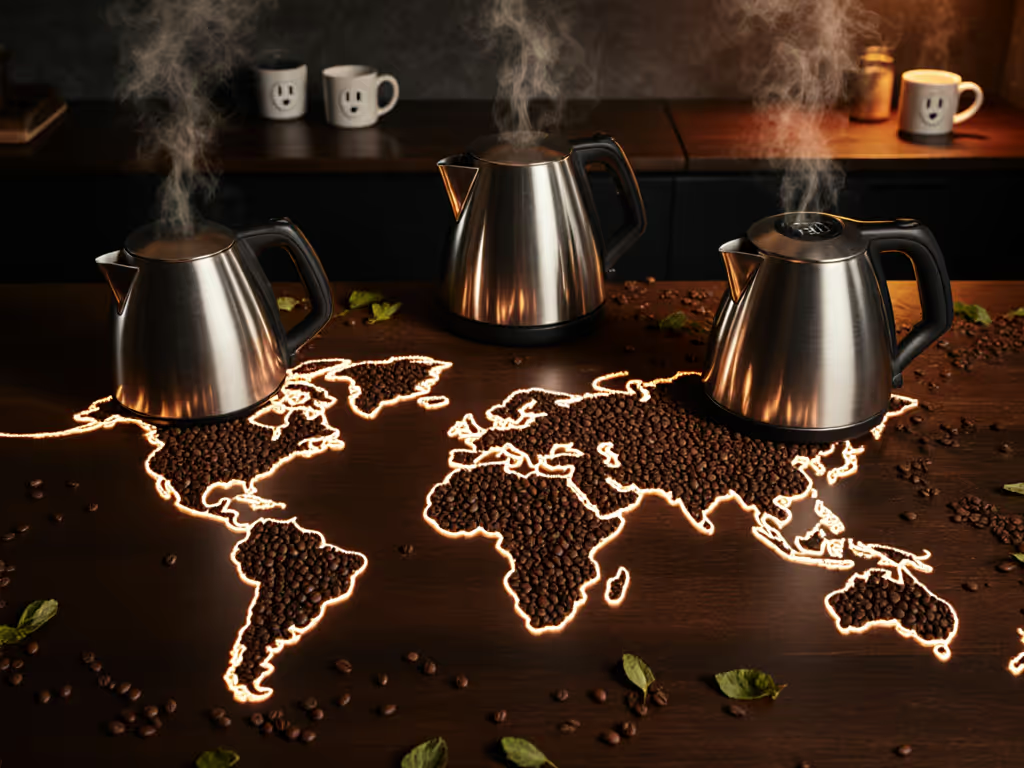
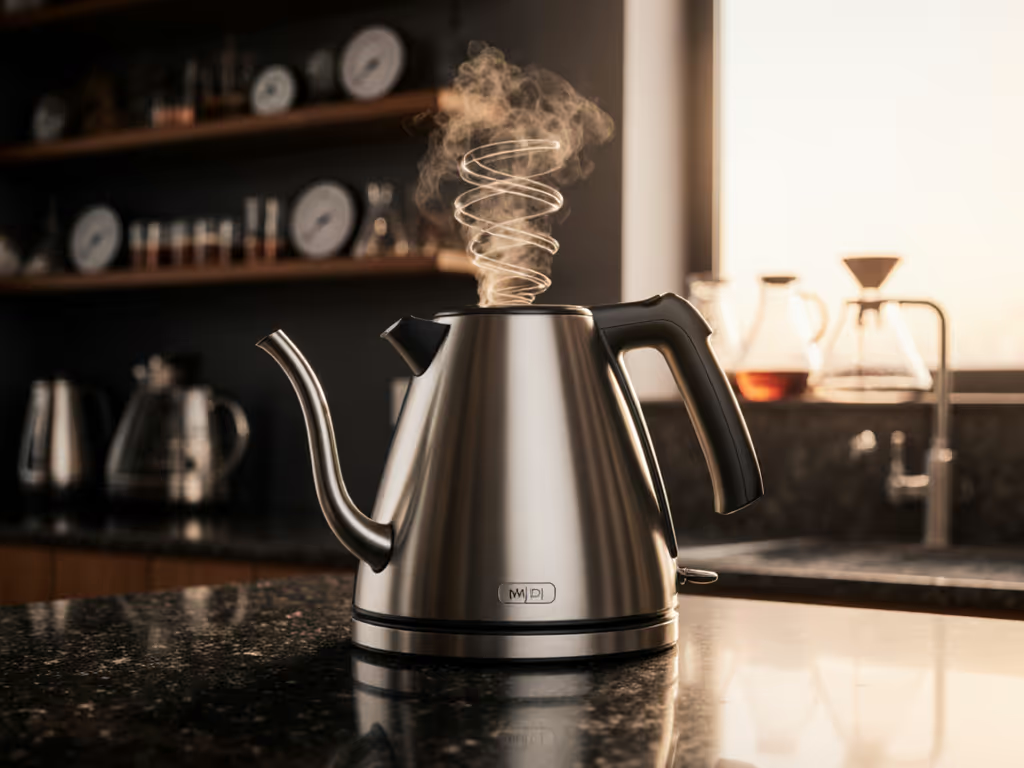
If you've ever marveled at how British friends summon boiling water in seconds while your own kettle seems to drag its feet, you're noticing regional electric kettle designs at work. This isn't just about aesthetics (it's baked into international kettle standards rooted in voltage, culture, and decades of kitchen evolution). As someone who transforms lab findings into repeatable brewing habits, I've seen how understanding these differences prevents bitter tea and morning frustrations. Precision is a habit, not an advanced setting. Let's untangle why your kettle behaves the way it does.
Why Do Electric Kettles Boil at Different Speeds?
Voltage isn't just a number: it's your morning timeline
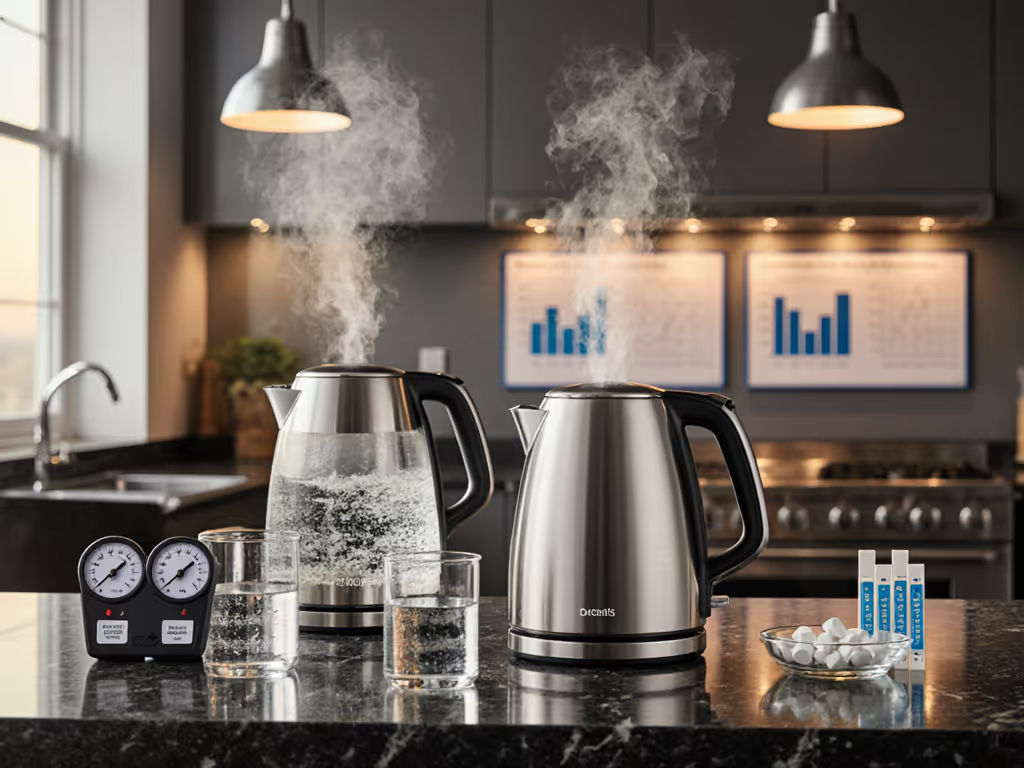
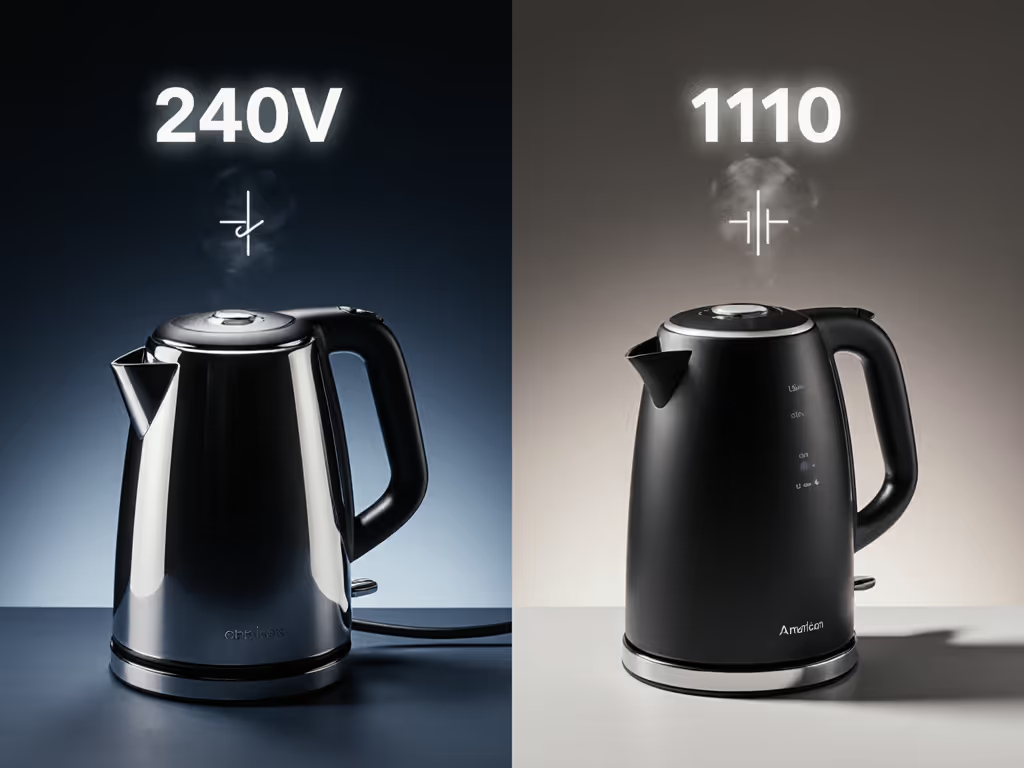
In the US and Canada, standard 120V outlets limit kettles to about 1,500 watts. That's why boiling a full carafe takes 4-5 minutes. Across Europe, the UK, and Australia, 220-240V systems power 2,200-3,000W kettles that boil water twice as fast. This isn't theoretical. Kettle electrical standards by country dictate real-world outcomes:
- 120V regions (US/Canada): 1.7L boils in 4:30-5:00 mins
- 230V regions (EU/UK): 1.7L boils in 2:15-2:45 mins
A recent industry report confirms this voltage gap directly impacts energy efficiency. Lower-wattage kettles use more electricity per liter because they're heating longer. See our per-boil energy savings guide for practical ways to cut usage regardless of your regional voltage. If you're optimizing for eco-conscious brewing, this explains why a friend's London flat feels more efficient; they're not just using less power, they're using it smarter.
Beyond volts: The cultural heartbeat of kettle design
It's not all physics. In the UK, where over 80% of households own a kettle, tea is a non-negotiable ritual. Kettles there often have:
- Larger capacities (1.7L+) for family sharing
- Rapid-boil focus (no variable temps needed for basic black tea)
- Hard-water resilience (limescale filters are standard)
Meanwhile, US kitchens lean toward coffee makers, so electric kettles entered later as specialty tools. This bred demand for country-specific kettle features like:
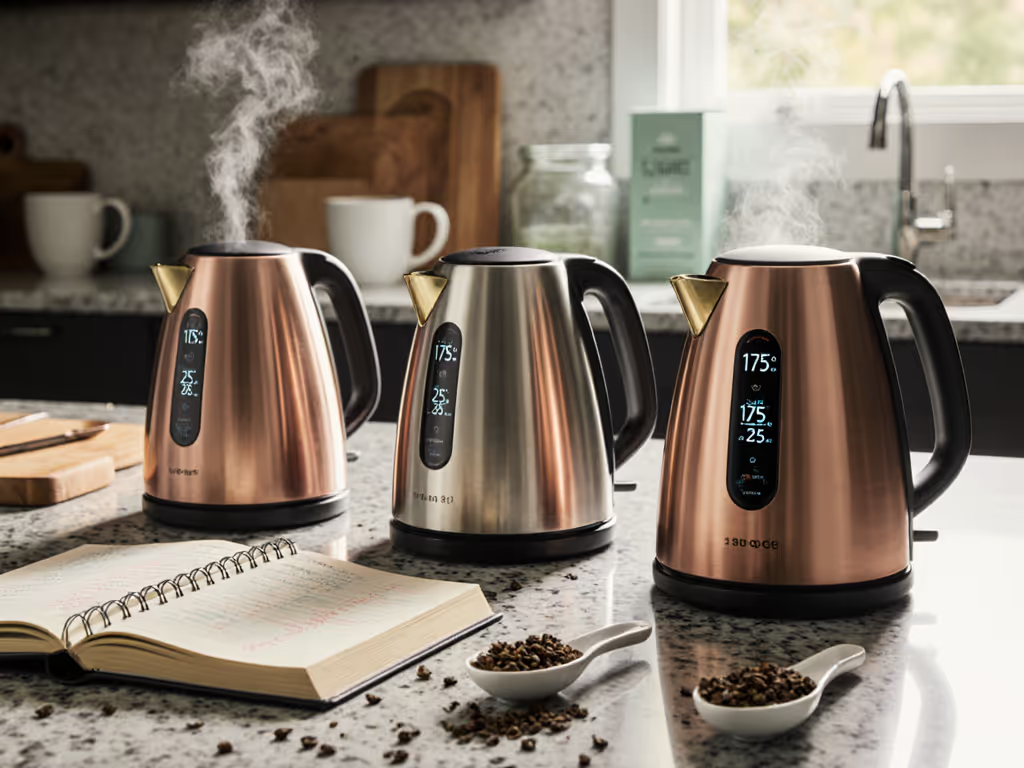
- Variable temperature control (for green/oolong tea)
- Quiet-boil modes (for apartment living)
- Compact goosenecks (for pour-over coffee)
Key insight: Your kettle's speed isn't "slow"; it's optimized for your region's infrastructure. Don't chase impossible performance; work with your system.
How These Differences Affect Your Daily Brew
Pain point: "My green tea tastes bitter!"
Remember that friend who swore all green tea was bitter? We set her variable-temp kettle to 80°C, poured gently, and timed the steep. Her face said everything at the first sip. Precision didn't kill the ritual; it saved it, cup after cup, like clockwork. Global kettle variations explain why this matters:
- In 120V regions, poor thermal stability causes overshoot (water hits 95°C then cools rapidly)
- In 230V regions, rapid boil risks scalding delicate leaves if you lack temp control
Solution: Target 75-85°C for green tea. If your kettle lacks variable temps, boil less water (smaller volumes cool slower) and let it sit 30 seconds before pouring. A simple step prevents bitterness (no lab-grade gear needed).
Pain point: "This kettle wakes the whole house!"
Loud kettles plague open-plan living. If noise is your main concern, our lab-tested quiet kettles compare decibel levels and design features that actually reduce sound. EU designs prioritize speed over quietness (steam whistle = "done!" signal). US models increasingly add noise-reduction features, but check specs for "silent boil" claims. One tactic: fill only what you need. Heating 500ml vs. 1.5L cuts boil time and volume significantly.
Pain point: "It's burning limescale into my water!"
Hard water? Kettles in Germany or Australia often include removable filters because local standards anticipate mineral-heavy water. US models frequently skip this, assuming softer municipal supplies. For persistent hard water, use our region-specific descaling guide with tailored schedules and products. Your fix:
- Descale monthly with vinegar (1:1 water/vinegar, boil, rinse twice)
- Always empty the kettle after use (stagnant water accelerates scaling)
This isn't fussy; it's a checklist-driven habit to protect flavor and longevity.
Making Any Kettle Work for You
Your regional reality toolkit
Understanding kettle electrical standards by country helps you adapt, not resent, your appliance. Try these repeatable steps:
- Size down your batch: Heat only what you'll use immediately. Small volumes boil faster and stay stable longer (critical for pour-over).
- Pre-heat your vessel: Rinse your mug with hot tap water first. This reduces heat loss when pouring.
- Time your steep: Use a $3 kitchen timer. Bitterness often comes from oversteeping, not temperature alone.
- Embrace the "pause": For delicate teas, let boiled water sit 1-2 minutes to drop 5-10°C naturally.
When to consider a regional upgrade
If you're a serious tea/coffee hobbyist in a 120V region, prioritize global kettle variations that bridge the gap:
- Variable-temperature models (even at 1,500W) prevent scalding
- Keep-warm functions (holding ±3°C) compensate for slower heat-up
- Gooseneck spouts ensure smooth flow for pour-over precision
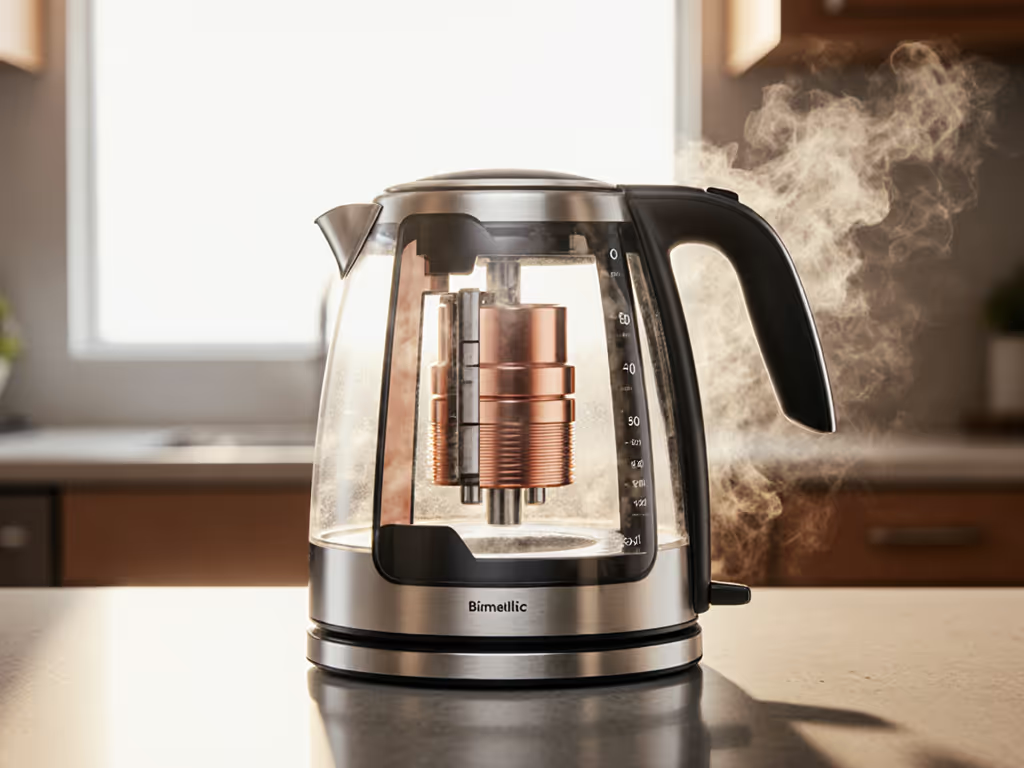
Avoid "dual-voltage" travel kettles; they max out at 1,000W, making them painfully slow. If you must brew abroad, use our international voltage and plug guide to pick a travel-safe setup that actually works. Instead, seek US-spec models with EU-inspired features (like Breville's dual temp sensors).
The Big Picture: Design Follows Culture
Regional electric kettle designs reveal how infrastructure shapes ritual. Europe's voltage enabled the "boil-and-go" tea culture; America's coffee dominance delayed kettle adoption until precision brewing demanded it. Yet the core need remains universal: reliable, safe heat for mindful moments.
You don't need a European outlet to brew well. You do need to know how your kettle's design serves (or limits) your goals. Start with one adjustment (like measuring your water volume), and own the outcome. Safety and flavor depend on repeatability, not perfection.
Precision is a habit, not an advanced setting. And as we've learned, international kettle standards are just starting points. Your ritual is the real blueprint. We'll do this together, one brew at a time as you refine your rhythm.
Related Articles